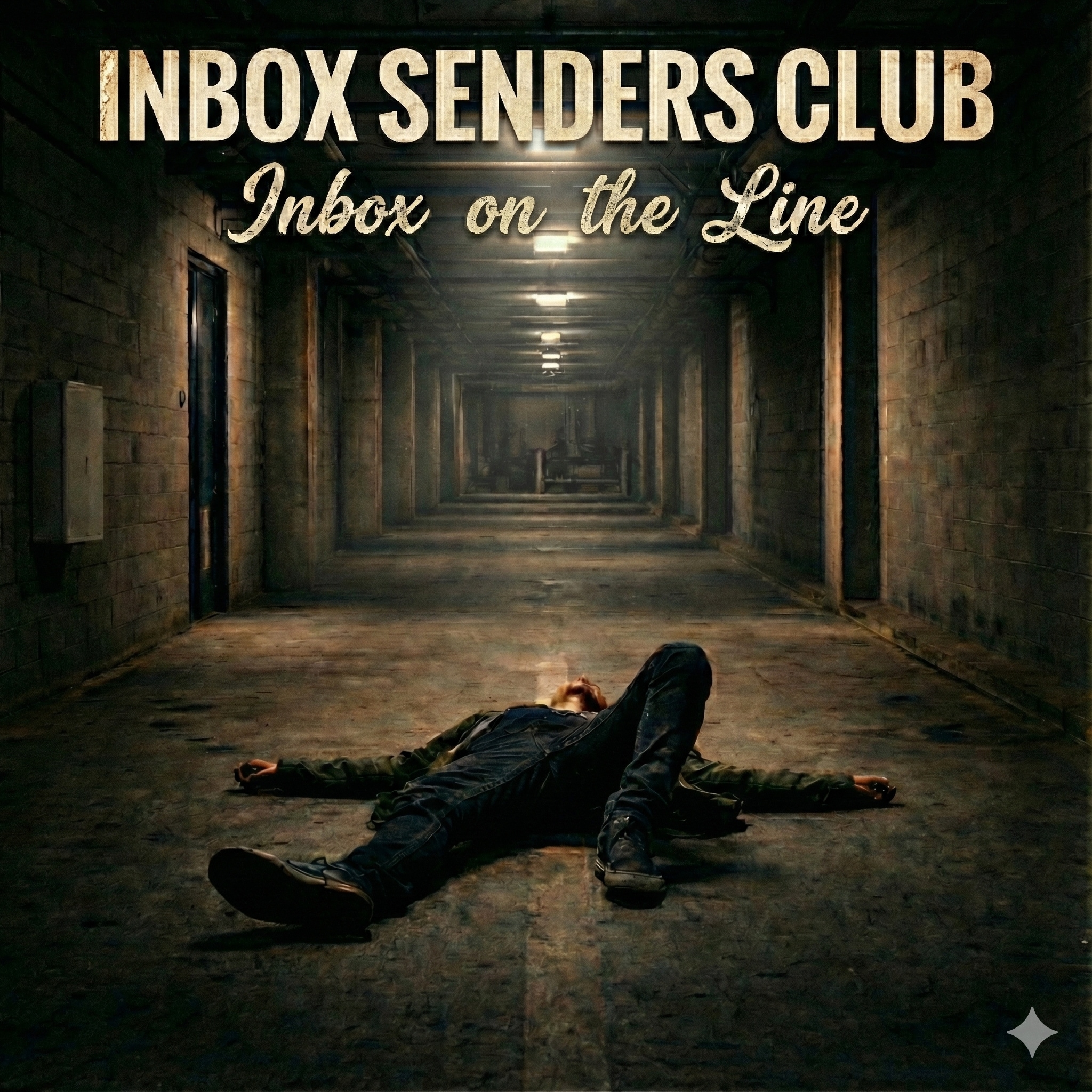
Deliverability Case Study: "Cold Lists, Cold Nights"
This blues lament tells a story every veteran email marketer knows in their bones: the slow, painful realization that volume without consent is just noise wearing a suit. The narrator isn't fighting the algorithm — he's reckoning with himself. He bought a list, sent without invitation, and watched his sender reputation drift away like smoke. What follows is the technical anatomy of his fall and the quiet wisdom of his recovery.
Verse 1: The Purchased List and the Missing Handshake
"I had a list in my pocket, promised gold and flame / Names on a spreadsheet, but they never knew my name / No handshake, no invite, just a midnight send"
The Hard Truth: A purchased or scraped list is the original sin of email marketing. Those addresses never granted consent, which means the sender is in immediate violation of GDPR (EU), CASL (Canada), and the spirit of CAN-SPAM (US). Beyond legality, these lists are riddled with pristine spam traps — addresses planted by blocklist operators like Spamhaus that have never* opted in to anything. A single hit can land a domain on the SBL or DBL.
- The Reality of "Midnight Send": Sending cold, high-volume mail from a domain or IP with no warming history is the fastest route to a 550 5.7.1 policy rejection. Mailbox providers treat unknown senders as guilty until proven trustworthy.
The Lesson: Permission isn't a formality — it's the handshake that tells the receiving server this person asked for this*. Without it, every send is a stranger knocking at midnight.
Verse 2: Complaints, Silence, and the Reputation Drift
"Opens came in lonely, clicks were hard to find / ... / Complaints rang louder than any reply"
- The Deliverability Context: When recipients don't recognize a sender, they don't unsubscribe — they hit "Report Spam." Gmail's threshold is unforgiving: a complaint rate above 0.10% in Google Postmaster Tools triggers warnings, and 0.30% triggers severe filtering or outright blocking. Yahoo enforces similar limits through its Feedback Loop (FBL).
- The Silent Killer: Low engagement is its own complaint. Gmail's machine-learning filters read silence as rejection — no opens, no clicks, no replies means the mail wasn't wanted. Apple Mail Privacy Protection has made open rates noisy since iOS 15, so click-through rate (CTR) and click-to-open rate (CTOR) are the truer signals here.
The Drift: "Domains remember every careless game"* is literal.
Domain reputation persists independently of
IP reputation, and once it sours in Postmaster Tools (Bad or Low), recovery takes weeks of disciplined, low-volume sending to engaged recipients only.
Bridge & Verse 4: The Cleanup and the Slow Return
"You don't warm a crowd with borrowed names / ... / I learned the hard way, paid the long due / Cleaned up my sending, started listening too"
- The Fix — List Hygiene: The narrator's recovery begins with suppression. Hard bounces (550-class permanent failures) must be removed immediately; keeping them above the 2% bounce threshold signals poor hygiene to every major ISP. Soft bounces (4xx deferrals) should be retried with exponential backoff and suppressed after 3–5 consecutive failures.
Sunset unengaged subscribers at 90–120 days*, ideally after a
re-engagement campaign.
Validate any uncertain addresses* through services like Kickbox or NeverBounce before sending.
- The Fix — Permission Reset: "Borrowed names" can never be warmed into legitimacy. The only path forward is a permission-based list rebuilt through explicit opt-in, with RFC 8058 one-click unsubscribe (List-Unsubscribe-Post) honored instantly — now a hard requirement for bulk senders to Gmail and Yahoo since February 2024.
The Lesson: "Fewer voices answer, but they answer right."* A smaller, consenting list outperforms a massive cold one on every metric that matters:
inbox placement, complaint rate, domain reputation, and revenue per send.
The narrator's wisdom is the oldest lesson in the trade: deliverability isn't a battle you win against the inbox — it's a trust you keep with the people on the other side of it. Cold lists make cold nights. Consent is the only sunrise.
Every sender who's been at this long enough knows the feeling in this song. You buy the list, or scrape it, or inherit it from someone who swore the names were good — and for a little while, the volume feels like victory. Then the complaints start whispering, the bounces start shouting, and the inbox door closes one provider at a time. The truth the narrator learned the slow way is the same truth the protocols have been telling us for years: reputation is built on consent, and consent cannot be borrowed. Here's how to walk the road back.
Earn the Handshake Before the Send
The song opens with names on a spreadsheet who never knew the sender's name. That's the original sin of cold sending, and no clever subject line will redeem it.
- Require Explicit Opt-In: Implied consent and pre-checked boxes are relics that violate GDPR, CASL, and the spirit of CAN-SPAM. Use a clear, affirmative opt-in — ideally confirmed (double) opt-in for marketing lists — so every address on your file actively asked to hear from you.
- Never Purchase, Rent, or Scrape Lists: Bought lists are seeded with pristine spam traps maintained by Spamhaus and other blocklist operators, and a single hit can land your domain on the DBL. Beyond the technical risk, the recipients never invited you, and their complaints will train every major filter to distrust your domain.
- Honor One-Click Unsubscribe: Since February 2024, Gmail and Yahoo require bulk senders to support RFC 8058 one-click unsubscribe via the List-Unsubscribe and List-Unsubscribe-Post headers. Process those requests within two days and treat them as sacred — a fast unsubscribe is far cheaper than a spam complaint.
Keep the List Clean, Keep the House Standing
The narrator sings about cleaning up his sending and watching subscribers come back slow but true. List hygiene isn't a one-time scrub; it's a discipline.
- Suppress Hard Bounces Immediately: A 5xx response means the mailbox is gone — keep mailing it and providers read you as careless or worse, as a list buyer. Move hard bounces to permanent suppression on the first failure, and suppress soft bounces after three to five consecutive failures over roughly 72 hours.
- Validate Risky Sources Before Sending: If you're onboarding an older list or a form without confirmed opt-in, run it through a verification service like ZeroBounce, NeverBounce, or Kickbox first. This catches typos, role accounts, and known traps before they ever touch your sending IP.
- Sunset the Silent: Engagement is the loudest signal modern filters listen to. Build a re-engagement campaign for subscribers inactive 90 days, and suppress those still silent at 120 — a smaller list of people who want you will always outperform a bloated one that doesn't.
Mind the Reputation You're Building
The song says domains remember every careless game. They do — and so do the algorithms watching them.
- Watch Google Postmaster Tools Daily: This is the closest thing to a mirror Google will give you, showing domain reputation (Bad/Low/Medium/High), IP reputation, spam rate, and authentication results. Keep your spam complaint rate under 0.10% — at 0.30% Gmail will throttle or filter you aggressively, and recovery takes weeks.
- Separate Your Streams with Subdomains: Send marketing from mail.yourbrand.com and transactional from a different subdomain like notify.yourbrand.com. That way a bad marketing campaign can't poison your password resets and receipts, and each stream builds reputation on its own merits.
- Warm New Infrastructure Slowly: A new IP or sending domain has no history, and dumping 50,000 emails on day one looks identical to a spammer's burst. Start at 200–500 sends per day to your most engaged subscribers and roughly double every two to three days over a four-to-eight week ramp.
Conclusion
The narrator's hard-won lesson is the whole industry's lesson in miniature: you cannot shortcut trust, and the inbox is built entirely of trust. Send to people who asked for you, remove the ones who didn't answer, and protect the reputation you're slowly earning — the morning after gets clearer every time.
Your Cold List Recovery Checklist:
- Move every address to confirmed opt-in and retire any list you can't trace to a clear permission moment.
- Suppress hard bounces on the first failure and validate any questionable list before importing.
- Implement RFC 8058 one-click unsubscribe and process requests within 48 hours.
- Monitor Google Postmaster Tools and keep your spam complaint rate below 0.10%.
- Run a 90-day re-engagement campaign and sunset non-responders by day 120.
- Isolate marketing and transactional mail on separate subdomains to protect each reputation independently.
Educational content. Email deliverability evolves rapidly. Platform rules (Gmail, Yahoo, etc.), engagement signals, and ESP behaviours change frequently, and real-world issues often involve conflicting signals, data quality problems, and failure modes that general best practices can’t anticipate. Content on this site is provided for informational purposes only and does not replace a thorough analysis by a qualified deliverability professional.
Terms of Use