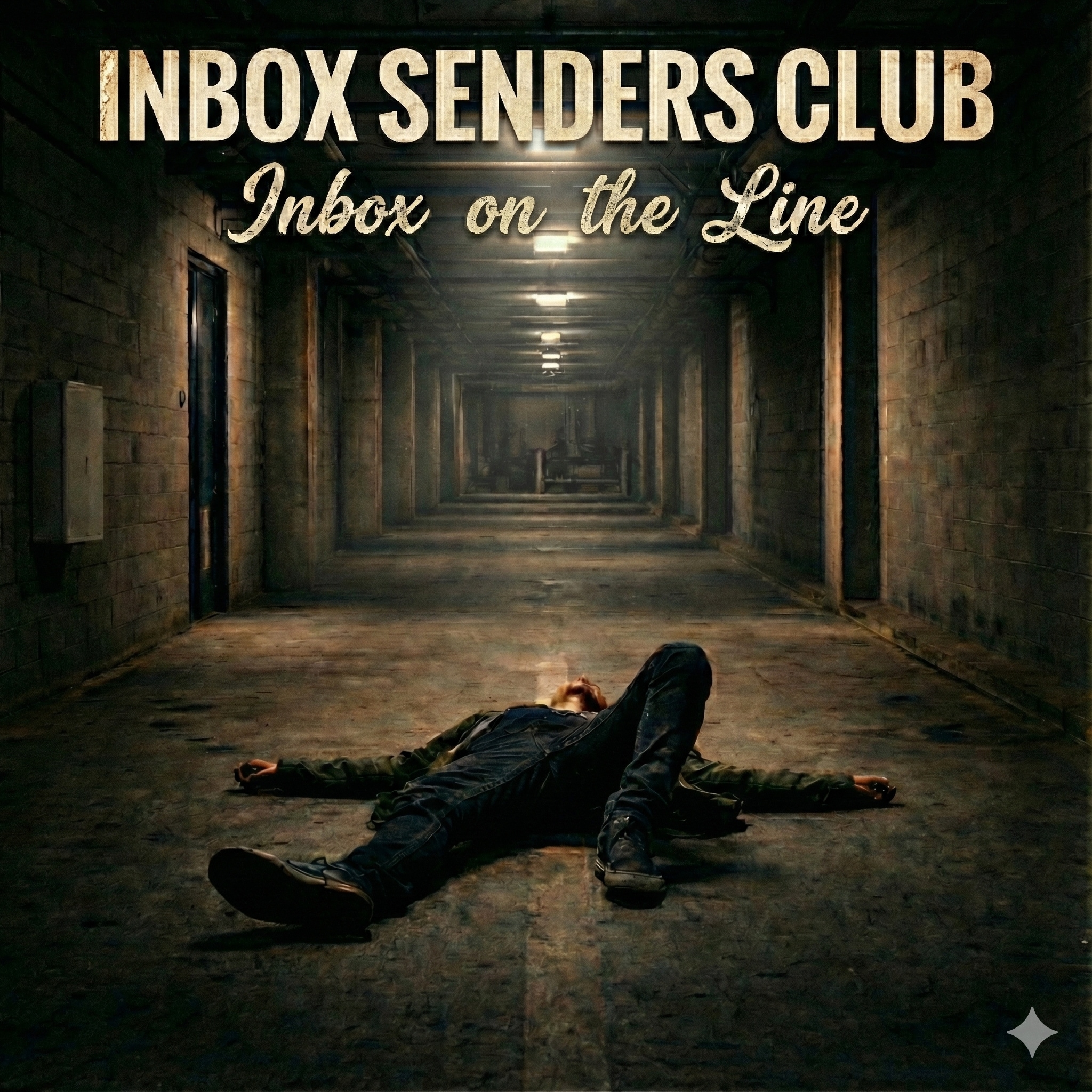
Every sender who's been at this long enough has heard the song in this letter — the slow, polite goodbye from a subscriber who never really said hello. The truth is, most deliverability trouble doesn't start with a
hard bounce or a
blocklist. It starts quieter than that, in the space between what you assume was permission and what your subscriber actually remembers giving. The senders who last in this business are the ones who learned, sometimes the hard way, that letting someone leave well is just as important as bringing them in. Here's the wisdom earned from too many mornings staring at a complaint dashboard.
Honor the Permission You Actually Have
Permission isn't a checkbox you got once — it's a conversation that has to stay true over time. Implied consent fades, and a name pulled from a tradeshow badge or a co-reg form is rarely the gold you think it is.
- Use Confirmed Opt-In Where It Counts: Single opt-in moves faster, but confirmed opt-in (also called double opt-in) protects you from typo traps, malicious signups, and the slow rot of forgotten consent. For new lists or any source you don't fully trust, the friction is worth the reputation it preserves.
- Keep a Record of Consent: GDPR, CASL, and PECR all require you to demonstrate when, where, and how a subscriber agreed. Store the timestamp, the source URL, the IP, and the exact language they consented to — because "we've always emailed them" is not a defense your ESP or a regulator will accept.
- Never Email Purchased or Scraped Lists: Pristine spam traps live on these lists specifically to catch you. One hit on a Spamhaus trap can land your domain on the DBL, and recovery takes weeks of clean sending and a delisting request you'd rather not have to write.
Make the Door as Easy as the Welcome Mat
The song says it plain: when goodbye is hard to find, good senders get punished. A buried unsubscribe link doesn't keep subscribers — it converts them into complainers, and complaints cost far more than a quiet exit.
- Implement One-Click Unsubscribe (RFC 8058): Since February 2024, Gmail and Yahoo require bulk senders to support the
List-Unsubscribe header with List-Unsubscribe-Post: List-Unsubscribe=One-Click. This isn't optional anymore — missing it triggers filtering regardless of how clean the rest of your program is.
- Process Unsubscribes Within 48 Hours: CAN-SPAM gives you ten business days, but reputation systems aren't that patient. Suppress immediately if you can; one more send to someone who already opted out is the fastest path to a "this is spam" click.
- Don't Hide the Link: Tiny gray text on a gray footer reads as deception to a tired subscriber, and that subscriber reaches for the spam button instead. A clear, plainly worded unsubscribe link costs you nothing and protects the complaint rate that Gmail Postmaster Tools is watching every day.
Listen to Silence and to Complaints
Unread is a signal, same as a sign. The senders who hear it early keep their reputation. The ones who keep pushing learn the hard way what a 0.30% complaint rate feels like.
- Enroll in Every Feedback Loop You Can: Yahoo, Comcast, Fastmail, and others publish complaint data through ARF-format Feedback Loops (FBLs). Wire those reports directly into your suppression list — a complaint should remove a subscriber within minutes, not at the next list refresh.
- Watch Gmail Postmaster Tools Daily: Gmail doesn't run a public FBL, so Postmaster Tools is your source of truth. Stay under 0.10% user-reported spam rate; 0.30% is where severe filtering begins, and by the time you see it, you're already in the hole.
- Sunset the Quiet Ones: If a subscriber hasn't opened or clicked in 90 to 120 days, send a re-engagement campaign and then suppress. Holding onto ghosts drags down engagement metrics that mailbox providers use to decide whether the rest of your list deserves the inbox.
Conclusion
The lesson of this song is simple and old as the blues itself: respect the line, and the line respects you back. Subscribers who can leave gently don't reach for the spam button, and the inbox providers who watch that button decide your fate. Build a program where the exit is as honest as the welcome, and your reputation will carry you further than any clever subject line ever could.
Your Permission and Hygiene Checklist:
- Confirm opt-in for any list source you don't fully control, and store consent records with timestamp and source.
- Implement RFC 8058 one-click unsubscribe and process opt-outs within 48 hours.
- Enroll in every available Feedback Loop (Yahoo, Comcast, Fastmail) and auto-suppress on complaint.
- Monitor Gmail Postmaster Tools daily; treat 0.10% spam rate as the ceiling, not the goal.
- Run a sunset policy at 90–120 days of non-engagement, with one re-engagement attempt before suppression.
- Never send to purchased, scraped, or rented lists — pristine traps will find you before customers do.
Educational content. Email deliverability evolves rapidly. Platform rules (Gmail, Yahoo, etc.), engagement signals, and ESP behaviours change frequently, and real-world issues often involve conflicting signals, data quality problems, and failure modes that general best practices can’t anticipate. Content on this site is provided for informational purposes only and does not replace a thorough analysis by a qualified deliverability professional.
Terms of Use